Skip to content

Financial Wellness Month 2026

Inner Work, Outer Wealth

All the month’s content, all in one place.

January 2026’s Financial Wellness Month was all about taking a Mussar-inspired approach to building healthier money habits.

Each week focused on a different trait and explored how finding balance with each one supports steadier money decisions.

Dive in however works for you and come back as often as you need. Download the calendar to keep the whole month at your fingertips, or browse the content below.


Weekly Mussar Themes & Daily Content

Dig into all the material—plus weekly videos, prompts, and quotes to help you check in and reflect.

Week 1: Order (Seder)
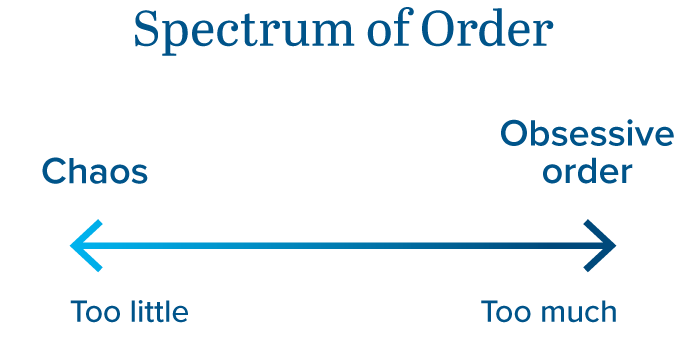
Seek balanced order, not perfection.


Build enough structure to keep the details of life manageable, but not so much it becomes a burden.

Start with one goal, not a whole overhaul.


For example, rather than investing because you’re supposed to, invest for something specific. This guide to goals-based investing can help.

Create structure that allows for ease.


First things first, last things later. Watch this short video from Rabbi David Lyon, a board member, on how building just enough structure can help money feel more manageable.


Pause & Reflect

How does Order show up for you in your financial life?

Where do you need to add a little structure or lighten up on it a bit?


"First things first and last things later."

— Greg Marcus / The Spiritual Practice of Good Actions

Week 2: Humility (Anavah)

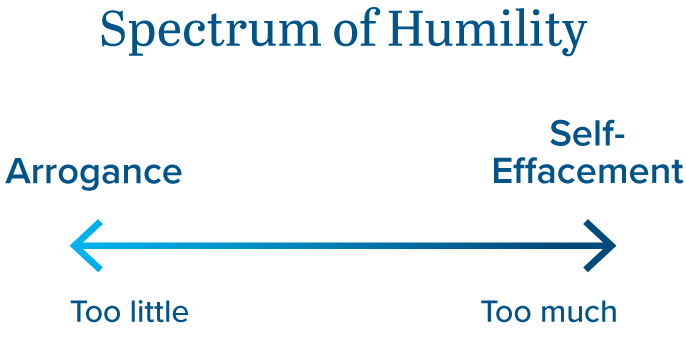
See yourself (and your finances) clearly.


Humility gets a bad rap sometimes. But it’s actually one of your most powerful financial tools.

Learn lingo you don’t already know.


This investment glossary makes it easy to review money terms you haven’t learned yet so decisions make a little more sense.

Ask for help getting to where you want to go.


This guide to finding a financial advisor you trust makes this practical act of humility a lot simpler.

Own your spending habits.


Understanding your spending and saving styles
helps you make choices aligned with the life you really want.

Name the feelings behind your financial patterns.


This reflection explores how emotions influence choices—and how to respond more thoughtfully.

Talk openly with family about money.


Learn how to set up a productive family money meeting so everyone feels heard and surprises are minimized.

Practice honest self-reflection.


In this quick video, our board Chair, David Baskin, talks about the power of embracing humility in our financial affairs.


Pause & Reflect

Where might seeing your money situation more honestly—without inflating or diminishing yourself—help you take a wiser next step?


“No more than my space, no less than my place.”

— Alan Morinis, Everyday Holiness

Week 3: Patience (Savlanut)

Pause, don’t react or avoid.


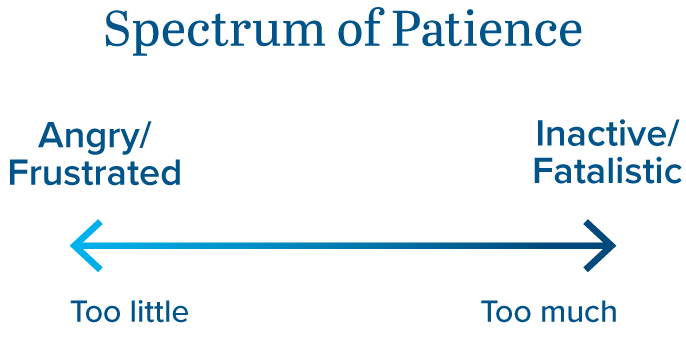
Too little patience and money decisions turn reactive. Too much, and things slide into avoidance.

Take stock of your debts.


Facing them without panic can start with these realistic, sustainable steps to manage debt.

Pause before your next purchase.


Asking the right questions before you buy helps you spend with intention and strike the balance between impulse and overthinking.

Let consistency do its work.


Progress builds gradually. Learn how compounding turns steady actions into growth.

Persist in a moving market.


Patience helps quiet short-term noise. Stay steady through market swings with perspective from this quick explainer.

See what patience makes possible.


In this week's video reflection, Rabbi Steven Mason reminds us why patience is essential to reaching the financial outcomes we hope to see.


Pause & Reflect

Where in your financial life do you notice impatience or an urge to avoid? What would it look like to carry that discomfort without reacting?


“This too shall pass, and I have the strength to get by until it does.”

— Greg Marcus

Week 4: Trust (Bitachon)

Do your part, and release the rest.


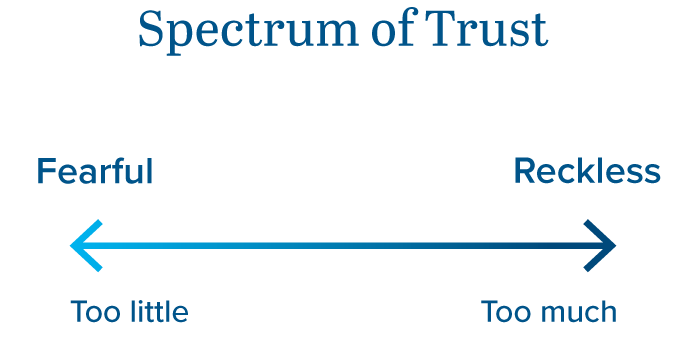
Trust can be tricky. The right amount means releasing control without stepping away entirely.

Give yourself guardrails—then trust them.


Trust lives in our systems. Learn how to fund goals without derailing what you’ve built.

Learn from setbacks.


Financial setbacks don’t define your future. Read a story about regaining stability and confidence over time.

Start with honest retirement questions.


We can’t always eliminate uncertainty, but we can commit to steady effort. Use these retirement guidelines to check in on your progress.

Be prepared for emergencies.


Preparedness creates breathing room. See how an emergency fund supports trust in your next decision.

Meet the unknown with openness.


This week, we explored the trait of trust as the middle between fear and recklessness. Take a moment to watch this short reflection.


Pause & Reflect

Where do you notice trust supporting your financial decisions, and where might fear or letting go too completely be creeping in?


“Trust calls us to show up for each stage of life with responsibility, not fear or carelessness.”

— Ira Stone, A Responsible Life

Week 5: Gratitude (Hakarat Hatov)

Notice what’s going right.


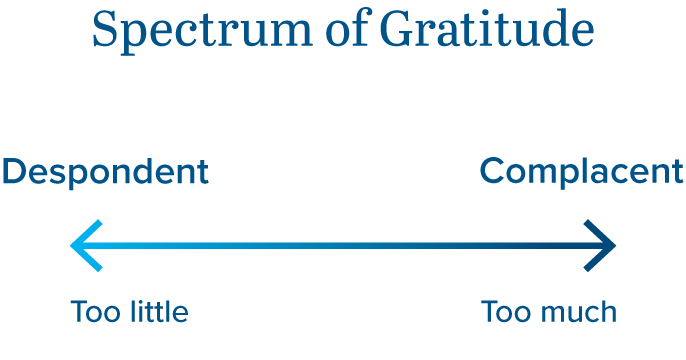
Gratitude isn't just for the easy moments. It keeps you grounded in the harder ones too.

Spot the money habits that help, and build more.


See what’s working without ignoring what’s not. This resource outlines a few financial behaviors that support financial stability.

Know what you really want and appreciate what’s yours.


Comparison clouds judgment. This guide to fighting FOMO can help you bring the focus back to your real goals.

Decide what retirement looks like for you.


Retirement doesn’t follow one script anymore. Gratitude helps you take stock of where you are as you shape what comes next.

Plan ahead to give back.


Giving within families can be complex. Having the right conversations for generational wealth planning can help you approach generosity with intention.

Let what’s working guide what’s next.

Gratitude encourages steady awareness of what's working and what needs attention. This guide to annual check-ins helps you review key areas of your finances.

Honor what you’ve grown.


As Financial Wellness Month comes to a close, we’re reflecting on the inner traits we’ve explored together, and how gratitude brings it all together.


Pause & Reflect

What’s something you’ve accomplished financially that you might not have acknowledged?


“Gratitude opens the heart to goodness that was always present but unnoticed.”

— Rabbi Eliyahu Dessler, Michtav Me’Eliyahu / A Letter from Eliyahu

Back to top